



Tap water can look crystal clear and still carry things you’d rather not sip. It’s like a white T-shirt with a hidden stain under sunlight. Most people don’t think about it until the water tastes weird, smells odd, or leaves a chalky ring in the kettle. No panic needed. You can get answers, then fix the problem in a smart, targeted way.
Common Contaminants That Show Up at Home
Some issues come from the water source. Others come from your home’s plumbing. Chlorine is common and can make water smell like a public pool. Sediment can show up as grit, cloudiness, or bits at the bottom of a glass. Metals like lead or copper can sneak in through older pipes and fittings. Then there are “invisible” concerns. Some areas deal with nitrates, pesticides, or industrial chemicals. Hard water minerals are not the scariest thing, but they can still be annoying. They cause scale buildup on faucets and leave spots on dishes. The main takeaway is simple: different problems need different fixes.
Warning Signs That Deserve a Closer Look
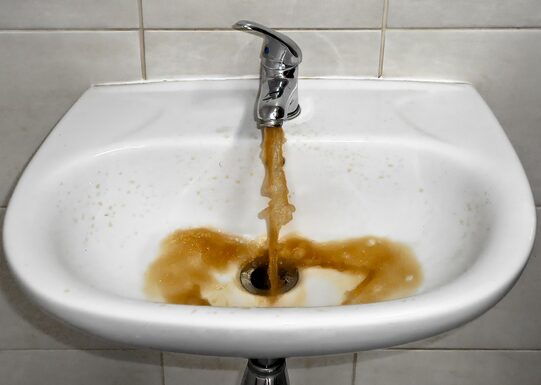
Your senses are a decent first alarm. If water smells like sulfur, that rotten egg smell, pay attention. If it tastes metallic or bitter, don’t shrug it off. If you see orange staining or blue-green staining, that often points to iron or copper. Even if you don’t drink that water, it still hits your cooking. Watch the appliances, too. A water heater with heavy scale can struggle and run louder. A humidifier that crusts over quickly is a clue. If your skin feels dry after showers, it might be minerals or chlorine. These signals don’t prove danger, but they do say “check this.”
Testing That Gives You Real Answers
 Guessing is how people waste money on the wrong filter. Start with a basic water test kit if you want a quick snapshot. For deeper clarity, use a certified lab test, especially if you’re worried about lead, nitrates, or specific chemicals. Many local water suppliers also publish reports, but that’s a broad view, not your faucet. Test the right spot. Kitchen tap for drinking concerns. Shower line if you’re focused on skin and hair. If you have a well, test more often because conditions can change. Keep the results, because they guide the next step. This is your roadmap, not a random shopping spree.
Fixes That Match the Problem, Not the Hype
For taste and odor, activated carbon filters are popular. They can reduce chlorine and improve flavor fast. For lead, you want a filter certified for lead reduction. For hard water, a softener helps with scale and soap scum, but it doesn’t remove everything. If bacteria are a concern, ultraviolet treatment can help, usually paired with other filtration. Point-of-use filters work at one faucet. They are great for renters and smaller budgets. Whole-house systems treat water for the entire home, which helps showers and appliances, too. Pick based on your test results and your habits. If your main complaint is coffee tasting off, focus on the kitchen first.
Habits That Keep Water Quality Steady
Filters need maintenance, or they become expensive decorations. Set a reminder for replacement schedules. Flush new filters as directed so you don’t get carbon dust in your first glass. Clean faucet aerators, because they can trap sediment and debris. If you use a pitcher filter, don’t let it sit warm on the counter all day.